

How Noise Cancelling Headphones Improve Your Listening Experience
Noise-canceling headphones create an ear-to-ear barrier and the background noise. They're ideal for flights and everyday commutes, but they also boost productivity at work or the ambiance of your home office.
They employ internal microphones to detect ambient sound and then electronically create anti-sound waves. This technology works best with low, harmonic sounds such as jet engines or fans but can struggle with noisy, irregular office noises and higher frequencies.
How It Works
Sound waves vibrate your eardrums and produce the sound you hear. Noise cancelling headphones function by emitting a tone which is 180 degrees out of phase with the surrounding sounds, effectively eliminating them. They also use electronics to create a completely isolated listening environment, so you can enjoy your music.
There are two types of headphones equipped with active noise cancellation technology: passive and adaptable. Passive noise cancellation uses padding to muffle outside sounds while adaptive technology adjusts digitally to the environment. Adaptive noise cancellation is more sophisticated than passive noise cancelling and offers a variety of listening options to customize the amount of external sounds you want to hear.
With ANC mini-microphones that are located in the earcups and earbuds monitor the sound you listen to, as well as any sounds you're interacting with. The ANC chipset analyzes the frequencies of the sound signals coming in and then creates an inverted sound signal that cancels the original sound waves. Imagine it as a sound-based version of the anti-ballistic missiles used in war films.
You might notice there is a delay between when you toggle on ANC and when you actually begin to notice its effects. This is the time that it takes for ANC to process the ambient sound and generate its anti-sound. Higher-frequency sound waves are harder to counteract than low-frequency ones, and are particularly difficult to reverse when they reach your eardrums.
While ANC is generally safe, some users have reported dizziness or vertigo when wearing headphones that use this technology. It's not clear why this occurs. One theory is that ANC's low-frequency noises make your brain believe there's a shift in pressure, similar to how some people feel on airplanes.
Another reason for this is the additional electronic components in ANC headphones, which may put a strain on your battery's life. It's a good idea therefore, to always bring an extra battery with you and only use them when you need to. This can also lower the risk of hearing loss due to prolonged use of headphones with this feature.
Why It's Important
Noise-canceling headphones offer an audio buffer between you and the outside world creating a small island of peace where all you hear is the music you prefer. They employ microphones to listen to and analyze the sounds around you, and then electronically create an inverse of these sound waves in order to block out. This effectively blocks out background noise so that you can concentrate on your work in a noisy workplace or even sleep on the plane or train, or simply relax at home.
The most effective noise cancelling headphones for over-ear ears are made with high-quality audio to allow you to listen to your favourite podcasts or tunes. The bass, vocals, and other elements in your music or audio will be crystal clear. This is a great way to enhance the listening experience, regardless of whether you're an avid classical music lover or a basshead. You'll be able to understand the lyrics of your tunes more clearly, and appreciate all the intricate details that comprise the harmony and melody.
A good night's sleep is essential to your well-being and health, but many suffer from difficulty sleeping because of noises from outside. Over-ear headphones that have noise cancellation can help get a good night's rest so you can get up refreshed and ready for the day.
Noise cancellation technology is becoming increasingly popular in wireless headphones, with passive and active models available. These headphones are made with ear cups which wrap around your ears to form a seal which blocks out any unwanted sounds. They often use noise-canceling algorithms to cut down on the amount of ambient sound you can hear, and they feature high-quality audio codec support to ensure that your music or other audio is clear and crisp.
Some headphones come with a feature to block out noises from the surrounding to allow you to be aware of your surroundings without having to take them off. This is great for commuters and anyone who wants to hear their surroundings for example, teachers or parents who work with students.
The Monoprice BT600ANC is a low-cost pair of over ear headphones that come with ANC and ambient awareness modes. The headphones are light and comfortable for long periods of time and have the sound quality to satisfy the majority of listeners. While they don't have the same clarity in mid and high frequencies, they're still a great option for the cost.
How to Choose the Best Headphones
There are a lot of things to think about when choosing a new pair of headphones. If you're looking for an affordable model like the Monoprice's BT-600ANC, or something more expensive that comes with high-quality audio codec support, there are plenty of options. It's crucial to select headphones that meet your requirements, both in terms of comfort and performance. The best headphones will improve your listening experience, whether you're on the go or in the office.
When choosing the best noise cancelling headphones, the primary thing to think about is whether you prefer active or passive noise cancellation. over the ear headphones noise cancelling uses the design of the headphones to form a seal around your ears and block the background sound. This usually reduces mid- to high-frequency sounds by as much as 30dB.
Active noise cancellation takes the process a step further and actually emits a low-level sound that cancels out external noise. This is achieved with the help of microphones that analyze the ambient noise around you and then produce the identical frequencies in reverse. This method can be somewhat more expensive than passive noise cancellation, however, it is more effective.
Comfort and design are other factors to be considered when deciding whether to use active or passive noise cancellation. You'll need to ensure that the headband is comfortable and doesn't put pressure on your neck or your head. You'll want that the ear cup is snugly positioned over your ear without feeling uncomfortable.
You should also make sure that your headphones are equipped with high-quality drivers and good audio performance. The driver is a part that converts electrical signals into sound pressure. It is measured in millimeters. In general, bigger drivers offer better performance, especially for bass performance.
While there are plenty of cheap headphones that claim to block out noise however, it's worth spending a little more on a pair of headphones that will offer you a truly immersive listening experience. Thankfully, there are plenty of excellent options to pick from, including the Bose QC35 II and Sony WH-1000XM5. Both provide top-quality audio with outstanding noise cancellation and a comfortable design.
Final Words
When selecting headphones, you should also take into consideration other aspects. For example the size of ears and their cupping style determines the degree to which they shield your ears from noise outside. Smaller earcups may leak sound, which can cause disturbance to others around you.
The design of the earcup can influence other aspects of the quality of headphones including their frequency response as well as total harmonic distortion. While these factors are not directly connected to the quality of sound but their effects are often an effect of the physics that is involved in the design of each pair of headphones.
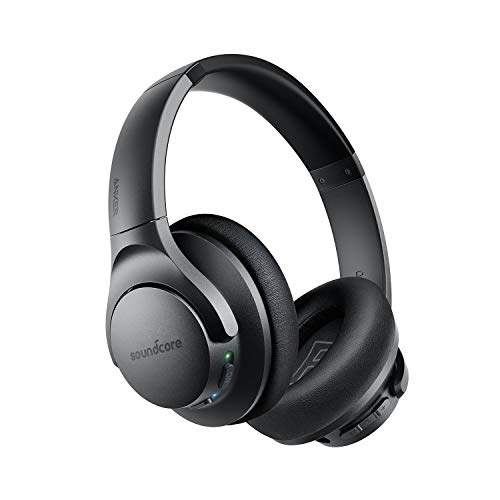
Headphones that have a wide and flat frequency response can give more natural and immersive experience. A smaller frequency range can make headphones feel artificial and confined.
The type of music that you listen to can affect the headphones you choose. Stereo music that is standard will work beautifully on either over-ear or on-ear headphones. Video games require great audio signals to work well, and some users prefer in-ear models due to this.